A small band of dedicated academics is attempting to ensure that important developments in British musical theatre don’t get lost to history.
Musical Theatre is an ephemeral form, performances take place around the country or in fringe venues and after the performance the scripts and scores, directorial and designer’s notes, sketches and photographs are thrown into the back of a cupboard, rarely to reappear. The Americans are much better at archiving their history in the wonderful Billy Rose Collection at the Lincoln Centre branch of New York Public Library, hence the relative ease of researching American Musical Theatre and the predominance of books and education about that history.
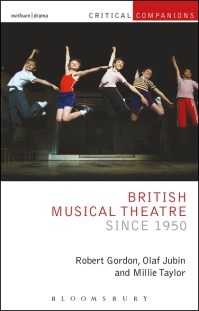
The British Musical Theatre Research Institute (which I chair), is leading the development of interactive links between creative teams and academics. Two recent publications about British Musical Theatre, British Musical Theatre Since 1950 (Gordon, Jubin and Taylor 2016) and The Oxford Handbook of the British Musical (Gordon and Jubin eds,) are in the vanguard of this process, providing a historical context on which future research can build. Palgrave’s book series Palgrave Studies in British Musical Theatre (edited by Taylor and Symonds) was launched with Gilbert and Sullivan’s Respectable Capers (Goron 2016), while monographs on Theatre Music at the RSC and National Identity in British Musicals of the early twentieth century will appear in the coming years.
The next stage is a plea to creative teams, to writers and composers, to document their working processes and to make scripts and scores, DVDs and stage management scripts available to researchers. Our musical theatre history should be recorded, as should the current upsurge in new writing with support at the Union, Southwark Playhouse, the Finborough and The Other Palace. Companies should consider archiving materials at the V&A’s theatre archives, or internally, and interacting with researchers in this important work. It has been said that history is written by the victors, and if a show reaches the West End it is certainly more likely to be recorded, but history is also written by the academics, the archivists and the educators. It is time to make sure the full story of British Musical Theatre is told – talk to the researchers and ensure your story is told.
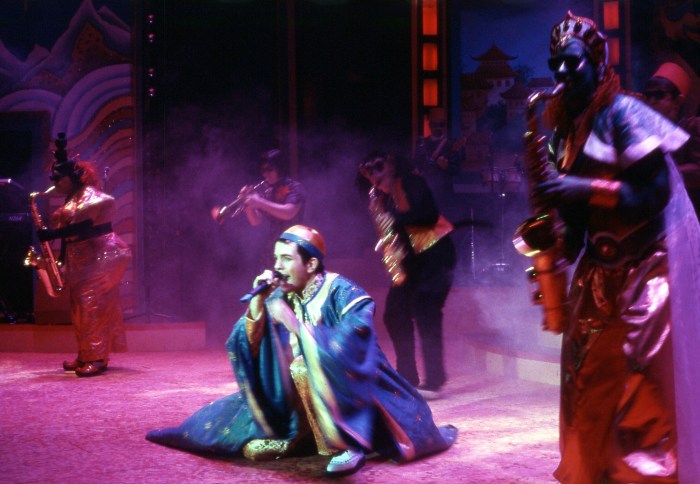 As we approach the pantomime season again and remember how much we love to hate the hackneyed stories, the corny old jokes and the clichéd incorporation of popular songs, we might also notice how important and pervasive pantomime’s influence has been on musical theatre.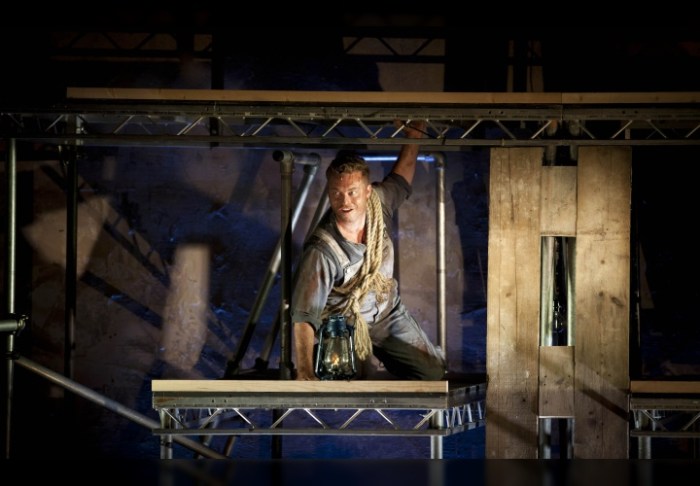
 What is a British musical? That’s a difficult question. Is a British musical a work that premiered in the UK, one that was written by British authors, financed by British money or has a British sensibility? And what on earth is a British sensibility? Since many musical theatre collaborations include creatives, producers or money from all over the place this is an increasingly fraught question. It is one that must be addressed, however, if we are to promote British musical theatre and especially new British writing.
 Millie Taylor